
Introduction
There are very few gaming franchises that have grown more popular with time, and Counter-Strike is one of them. What started as a simple mod in 1999 has evolved into one of the world’s biggest and most popular tactical first-person shooter franchises.
Counter-Strike is more than just a game; it’s a competitive legacy that helped shape modern esports. From its early pixelated visuals to the powerful Source 2 engine, it has earned a place in the hearts of gamers across generations.
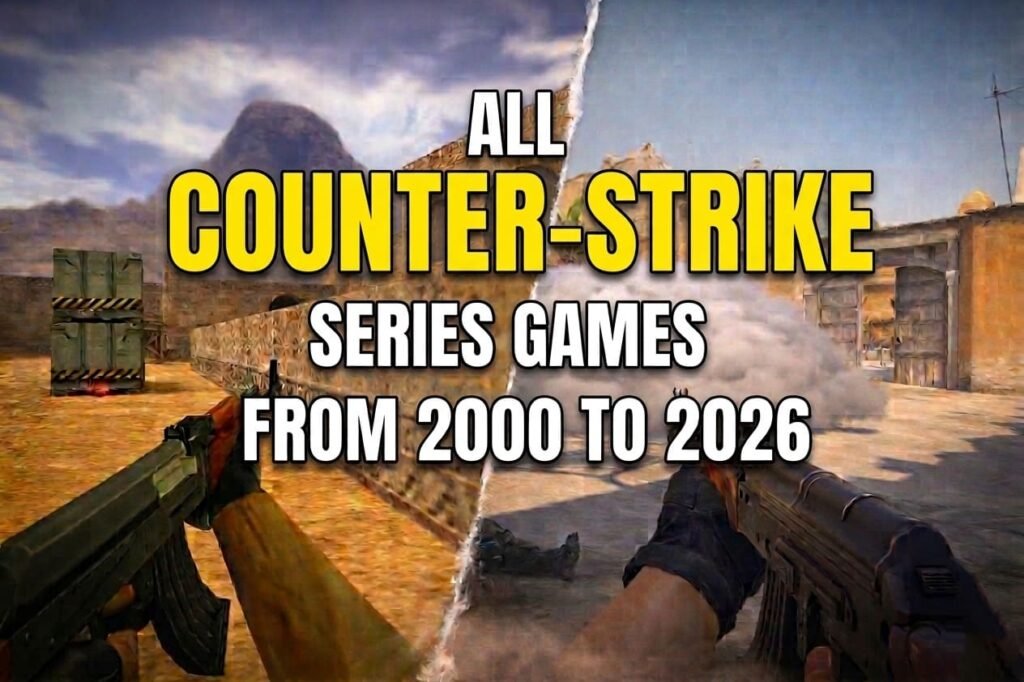
In this article, we’ll explore all Counter-Strike series games released from 2000 to 2026 that have made this franchise one of the most iconic in gaming history.
What is Counter-Strike?
Counter-Strike (CS) is a 5v5 tactical first-person shooter (FPS) game where two teams, Terrorists (T) and Counter-Terrorists (CT), compete against each other. The objective of the Terrorists (T) is to plant bombs, while the Counter-Terrorists (CT) have to defuse them.
Counter-Strike was developed in 1999 by Minh “Gooseman” Le and Jess Cliffe as a Half-Life mod. After its huge success, Valve Corporation acquired the rights and turned it into one of gaming’s most iconic franchises.
Counter-Strike isn’t just about shooting; it’s a game of strategy, teamwork, and smart decision-making, where even a single mistake can cost your entire team the round.
One of the game’s special features is its economy system. Winning rounds earns you money, which can be used to buy better weapons like the AK-47, M4A4, or the powerful AWP. Managing your money wisely is just as important as having a great aim, because smart purchases often decide the outcome of a match.
Counter-Strike Games Timeline from 2000 to 2026
From 2000 to 2026, Counter-Strike has come a long way in the gaming world. In the timeline below, we’ll take a look at all the games that transformed a small mod into one of the most popular tactical FPS franchises of all time.
Counter-Strike 1.0 (2000)
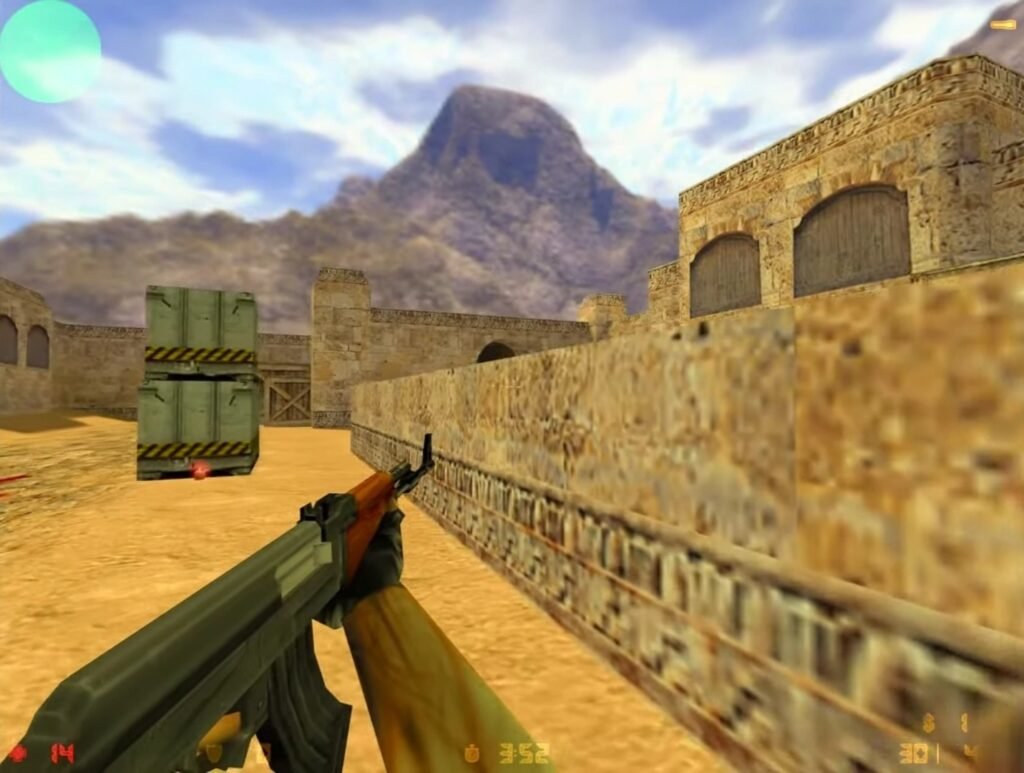
Counter-Strike 1.0 was the first official standalone version of the Counter-Strike series, released in November 2000. It was the game that forever changed the world of online multiplayer FPS gaming.
Counter-Strike began in 1999 as a mod created by Minh “Gooseman” Le and Jess Cliffe. After its massive success, Valve Corporation acquired the rights and released Counter-Strike 1.0 as an official standalone game in November 2000.
Counter-Strike 1.0 was built on the GoldSource engine, which was considered highly advanced for its time. It delivered fast, smooth, and incredibly responsive gameplay.
Even today, Counter-Strike 1.0 is remembered for its simple yet addictive gameplay, intense matches, and unforgettable LAN party memories. It remains one of the most important chapters in FPS gaming history.
Counter-Strike: Condition Zero (2004)
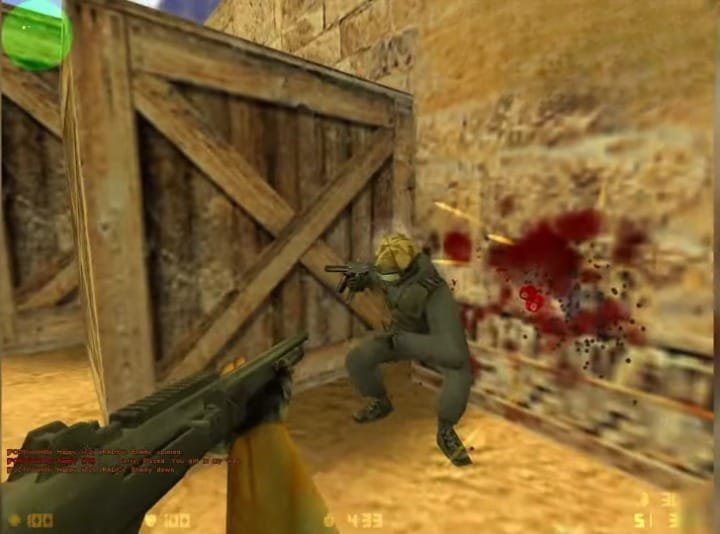
Counter-Strike: Condition Zero is the second installment in the Counter-Strike series. It was released in March 2004. Valve developed it in collaboration with several studios, including Rogue Entertainment, Gearbox Software, and Turtle Rock Studios.
It was still built on the GoldSrc engine, but its graphics, textures, and overall visual quality were noticeably improved compared to Counter-Strike 1.6.
Counter-Strike: Condition Zero’s biggest highlight was its single-player content, offering two distinct campaign modes.
- Tour of Duty: In this mode, you take the role of a Counter-Terrorist team commander and battle against bots on classic maps like Dust II and Italy. Your objective is to complete specific challenges on each map. Completing them unlocks new Tours and stronger bot teammates
- Deleted Scenes: Developed by Ritual Entertainment, this is a cinematic, story-driven campaign featuring a series of linear missions. It also introduces several unique weapons and gadgets, including the LAW rocket launcher, the M60 machine gun, the blowtorch, and fiber-optic camera.
Even today, many players still play Counter-Strike: Condition Zero for offline practice, LAN gaming, and nostalgia. Best of all, it runs smoothly even on low-end PCs.
Counter-Strike: Source (2004)
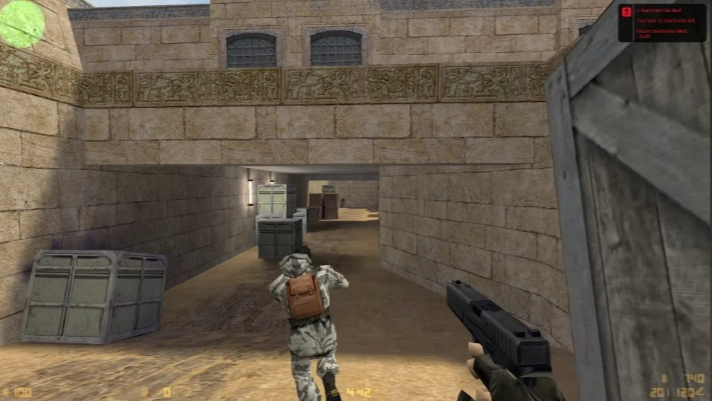
Counter-Strike: Source, released in November 2004, was the third major installment in the Counter-Strike series. Built on Valve’s powerful Source Engine, it brought classic Counter-Strike gameplay to a new level with modern graphics, realistic physics, improved sound effects, and Havok Physics for more realistic object interactions.
While its gameplay was similar to Counter-Strike 1.6, the enhanced visuals and physics made it one of the most advanced tactical shooters of its time.
Even today, many players continue to enjoy Counter-Strike: Source for its modding community, surf maps, and zombie servers. It remains a great combination of classic gameplay and modern visuals.
Counter-Strike: Global Offensive (2012):
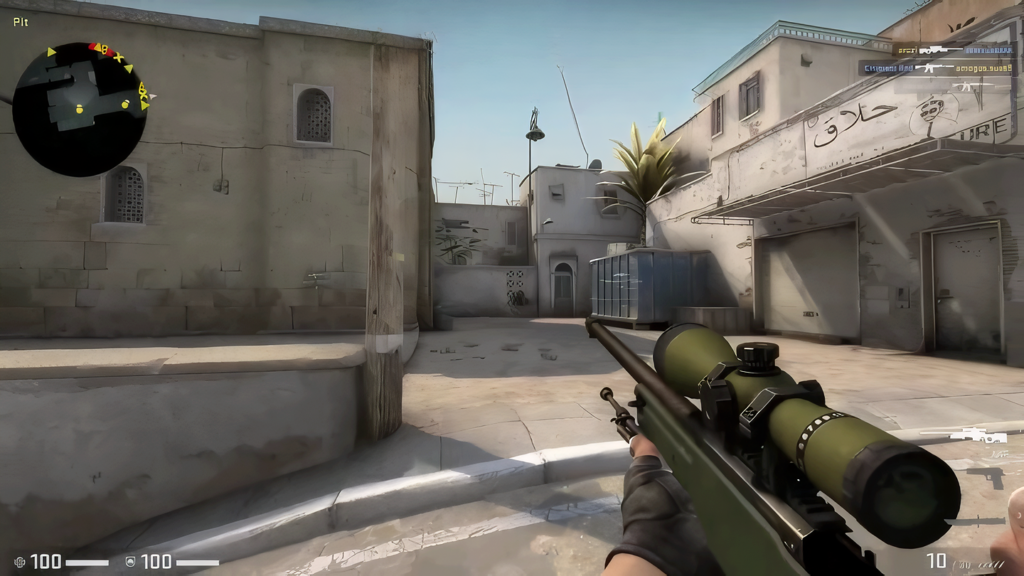
Counter-Strike: Global Offensive, better known as CS: GO, was the fourth major installment in the Counter-Strike series. Released in August 2012, it was developed by Valve in collaboration with Hidden Path Entertainment.
Built on an enhanced version of the Source Engine, CS: GO took classic Counter-Strike gameplay to a whole new level with modern graphics, refined gunplay, competitive matchmaking, and regular content updates. The introduction of weapon skins further boosted its popularity and helped create one of gaming’s largest virtual economies.
It’s competitive matchmaking, Major Championships, and worldwide tournaments that kept CS: GO among Steam’s most-played games for more than a decade.
Even today, millions of players remember CS: GO for its highly competitive gameplay, thriving skin market, and legendary esports legacy.
Counter-Strike 2 (2023-2026)
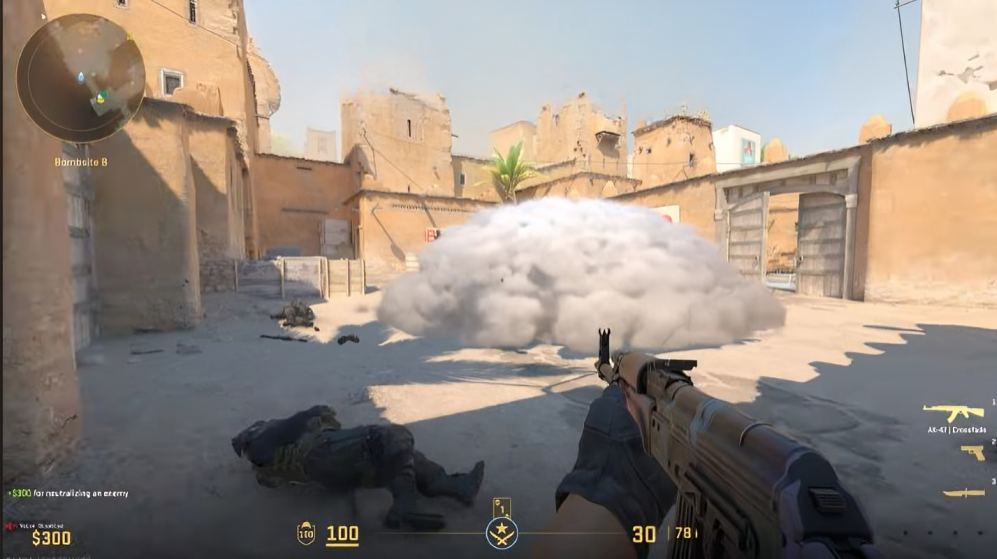
Counter-Strike 2 is the fifth and latest major installment in the Counter-Strike series. Released on September 27, 2023, it officially replaced CS: GO.
Built on Valve’s powerful Source 2 engine, Counter-Strike 2 improves the classic Counter-Strike formula with stunning visuals, dynamic smoke grenades, and revolutionary sub-tick servers.
Today, Counter-Strike 2 stands among the world’s most popular competitive FPS games. Its precise gunplay, redesigned maps, and improved animation system make it the ultimate Counter-Strike experience.
Spin-offs Versions
Some games in the Counter-Strike series were created for specific markets, such as Asia, or as new experiments:
Counter-Strike Neo (2005)
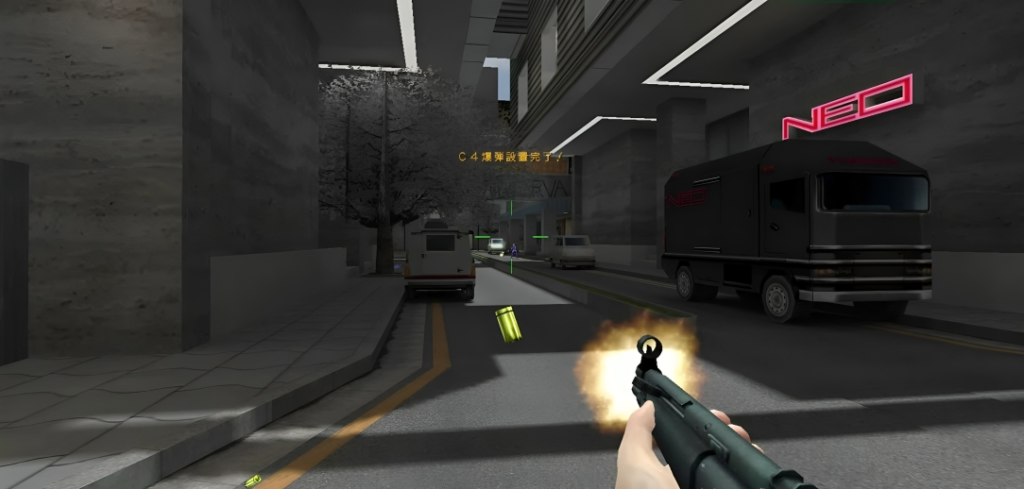
Counter-Strike Neo was a unique arcade spin-off released exclusively in Japan in 2005. Developed by Valve in collaboration with Namco, it gave classic Counter-Strike an anime-inspired futuristic style. Even today, fans remember it for its arcade experience and distinctive visuals.
Counter-Strike Online (2008)
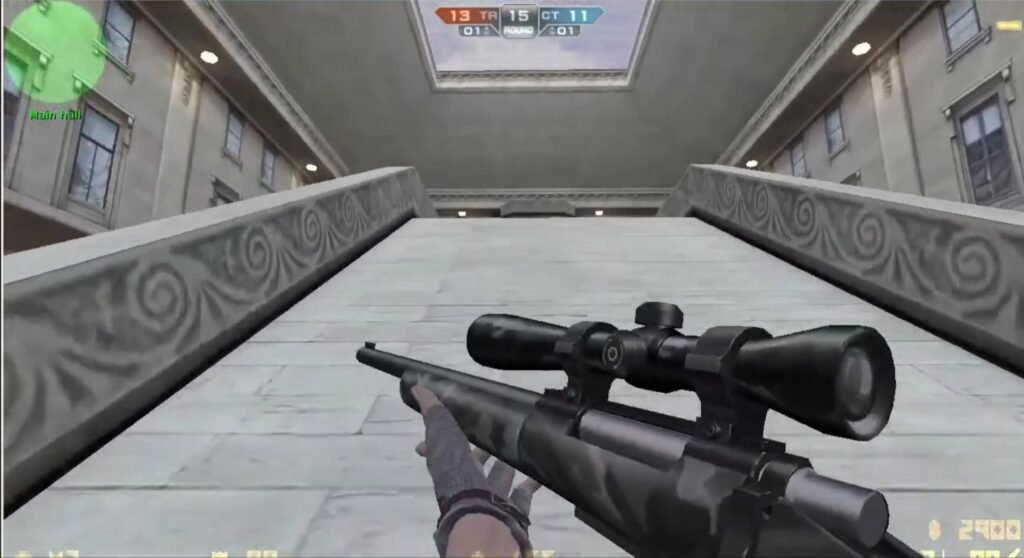
Counter-Strike Online is a free-to-play online spin-off of the Counter-Strike series, released in 2008. It was co-developed by Valve and the South Korean company Nexon. Its free-to-play model, exclusive game modes, and unique weapons gave Counter-Strike a new identity.
Counter-Strike Online 2 (2013)
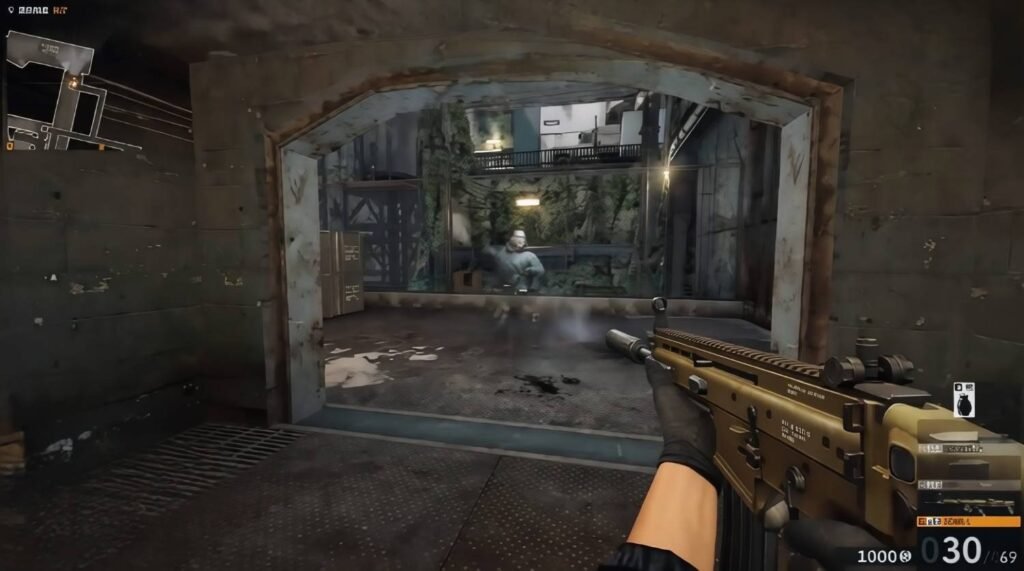
Counter-Strike Online 2 was the sequel to Counter-Strike Online, released in 2013. It was built on Valve’s powerful Source Engine. The game was known for its modern graphics, improved animations, and enhanced physics.
Counter-Strike Nexon Zombies (2014)
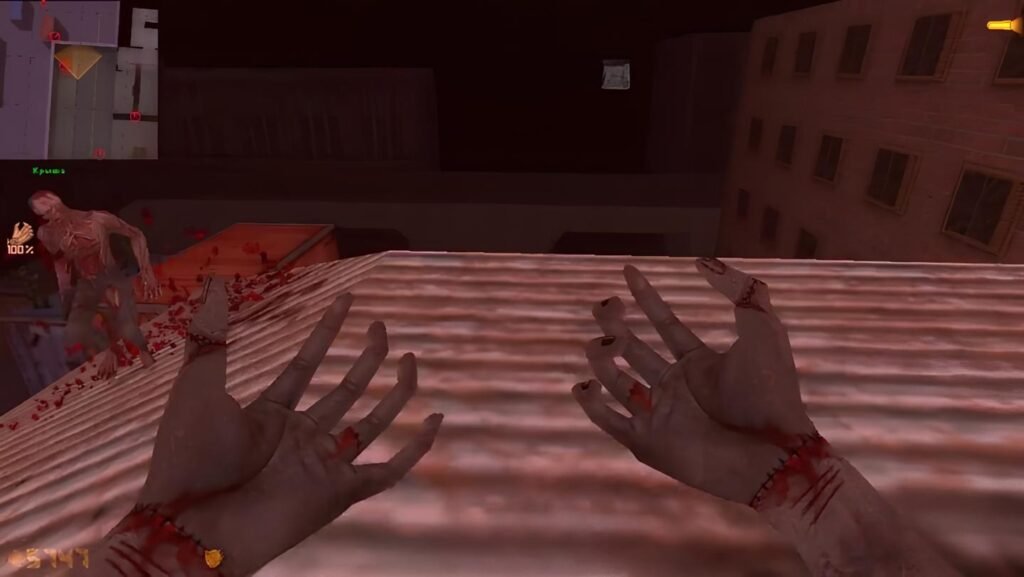
Counter-Strike Nexon was a free-to-play spin-off released in 2014, developed and published by Nexon. Originally known as CS Nexon: Zombies, it focused heavily on zombie-based gameplay. The game featured multiple Zombie modes, where players battled massive hordes and giant bosses, along with a huge arsenal of over 500 weapons.
Conclusion
Counter-Strike’s journey from 2000 to 2026 proves that great gameplay never goes out of style. What started as a small mod has grown into one of the biggest and most influential franchises in gaming history.
Whether it’s the nostalgia of Counter-Strike 1.6, the skin revolution of CS: GO, or the cutting-edge Source 2 experience of Counter-Strike 2, the series has always found new ways to excite players.
For tactical shooter fans, every round of Counter-Strike still delivers the same thrill as hearing “Fire in the hole!” for the very first time.